You’ve cut calories.
You’re avoiding junk food.
You’re trying to “eat clean.”
Yet the scale refuses to move.
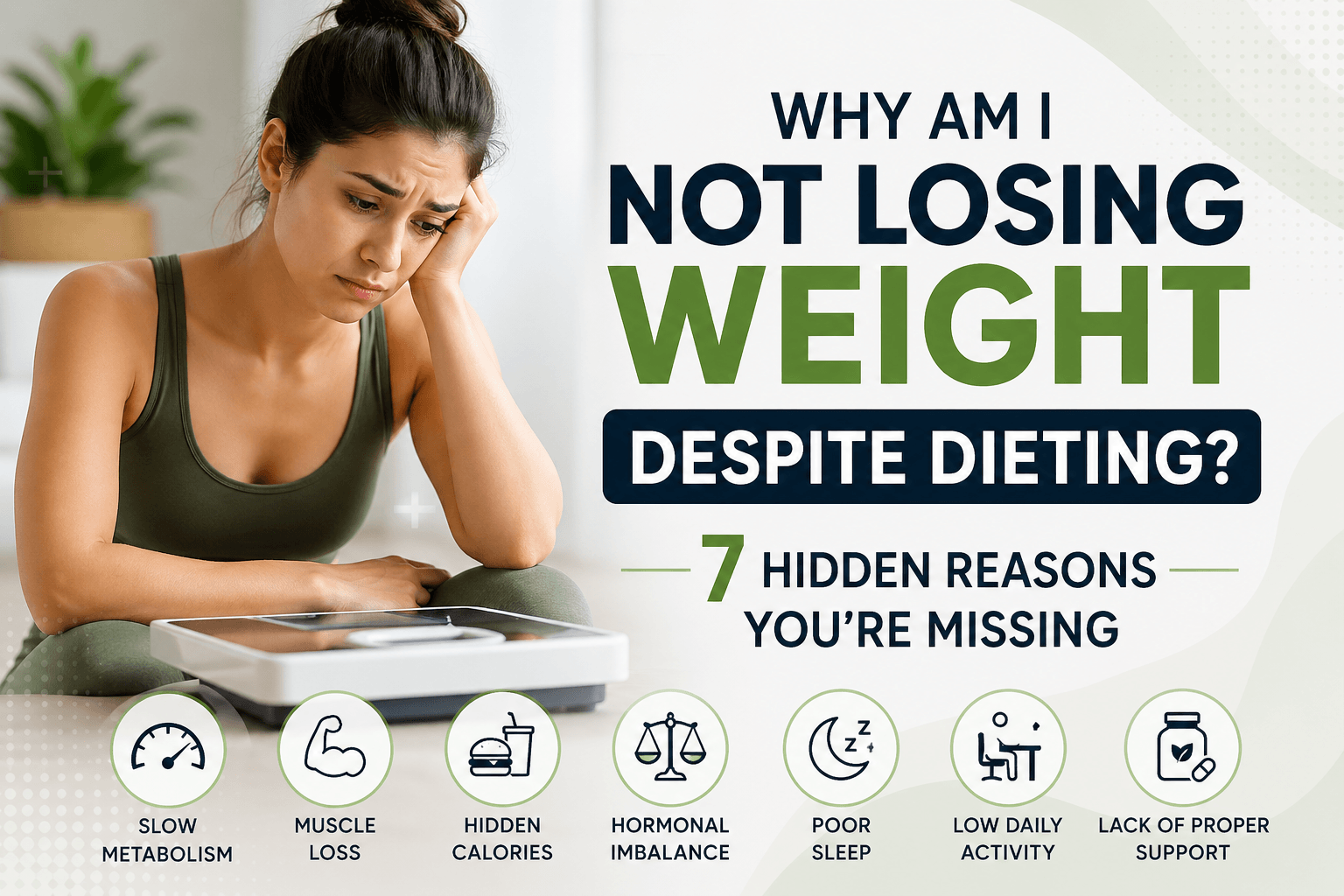
If this sounds familiar, you’re not alone. Many people hit a frustrating plateau where dieting alone doesn’t seem to work. The truth is—weight loss isn’t just about eating less.
There are deeper factors at play, from metabolism to hormones, that can silently block your progress.
Let’s break down the 7 most common hidden reasons why you’re not losing weight despite dieting—and what you can do about it.
1. Your Metabolism Has Slowed Down
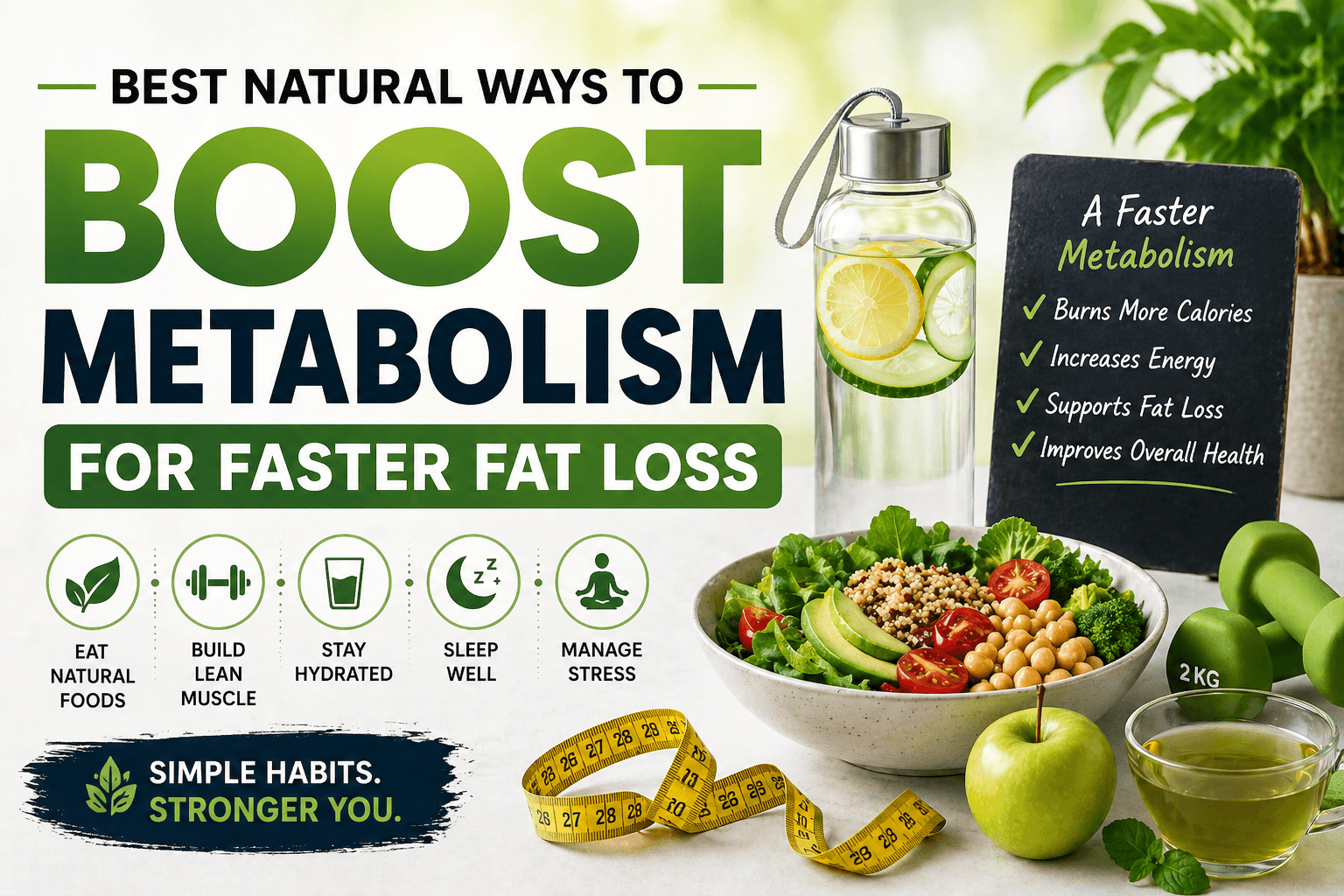
When you drastically cut calories, your body adapts by slowing down your metabolism to conserve energy.
This is known as adaptive thermogenesis.
Signs:
- Feeling tired all the time
- Weight stuck despite low calorie intake
- Cold sensitivity
What to do:
- Avoid extreme calorie restriction
- Include protein-rich foods
- Support metabolism with proper nutrition and supplements
2. You’re Losing Muscle, Not Fat
If your diet lacks protein or you’re not doing strength training, your body may burn muscle instead of fat.
Less muscle = slower metabolism = harder fat loss.
What to do:
- Add resistance training (3–4 times/week)
- Increase protein intake
- Avoid crash diets
3. Hidden Calories Are Sneaking In
Even healthy foods can be calorie-dense.
Examples:
- “Healthy” smoothies
- Salad dressings
- Nuts and seeds (in excess)
What to do:
- Track your food intake honestly
- Watch portion sizes
- Be mindful of liquid calories
4. Hormonal Imbalance Is Blocking Fat Loss
Hormones play a massive role in weight regulation.
Key hormones involved:
- Insulin
- Cortisol (stress hormone)
- Thyroid hormones
If these are out of balance, fat loss becomes extremely difficult.
What to do:
- Manage stress levels
- Get proper sleep
- Consult a professional if needed
- Support hormonal balance through proper nutrition
5. Poor Sleep Is Sabotaging Your Efforts
Lack of sleep increases hunger hormones and cravings—especially for sugar and junk food.
Effects of poor sleep:
- Increased appetite
- Reduced fat burning
- Higher stress levels
What to do:
- Aim for 7–8 hours of quality sleep
- Maintain a consistent sleep schedule
- Avoid screens before bedtime
6. You’re Not Moving Enough (Even If You Work Out)
A 1-hour workout doesn’t cancel out a sedentary lifestyle.
Your daily movement (NEAT) matters just as much.
What to do:
- Increase daily steps (8,000–10,000)
- Stay active throughout the day
- Avoid prolonged sitting
7. Your Body Needs the Right Support
Sometimes, diet and exercise alone aren’t enough—especially if your metabolism or nutrient levels are not optimal.
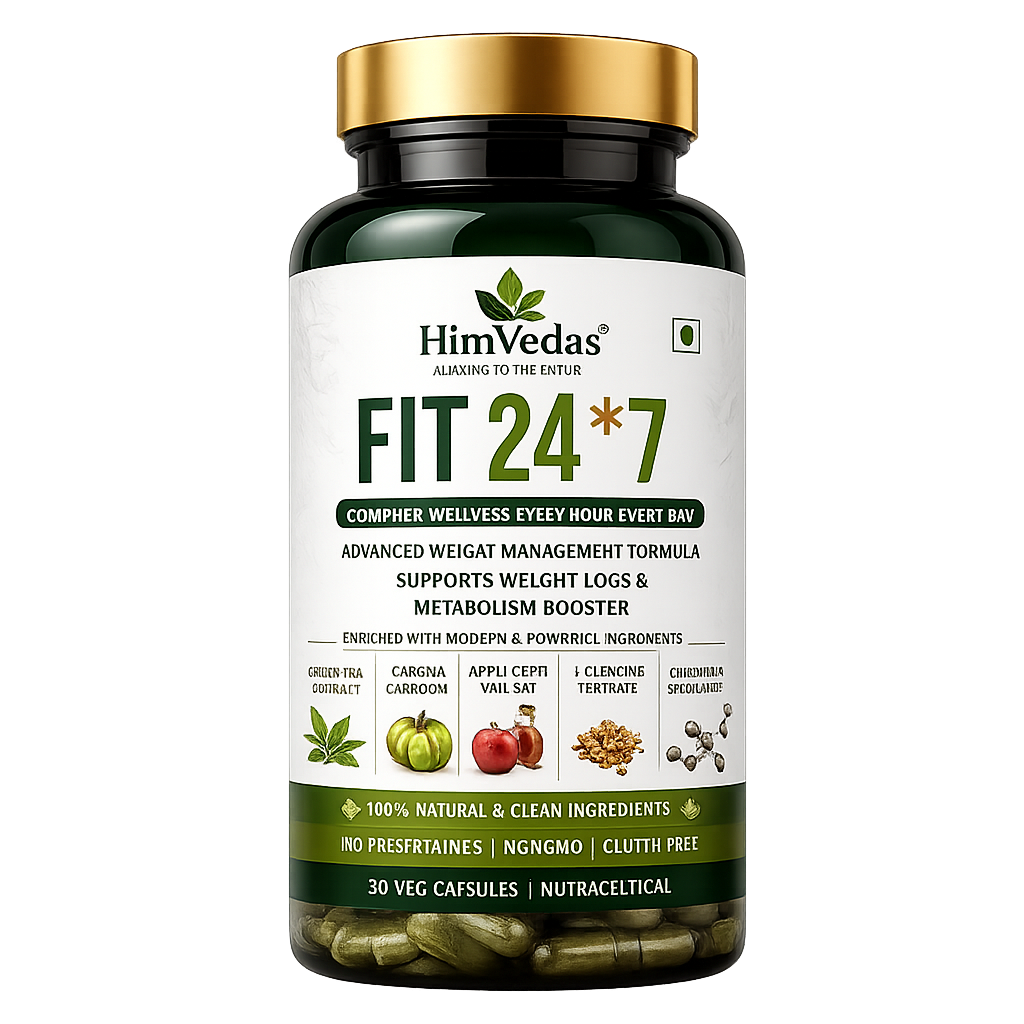
This is where clinically formulated health supplements can help support:
- Metabolism
- Fat oxidation
- Energy levels
However, they should always be used as a support system, not a shortcut.
Final Thoughts
If you’re not losing weight despite dieting, the issue isn’t always your effort—it’s your approach.
Weight loss is a combination of:
- Nutrition
- Metabolism
- Hormones
- Lifestyle
Once you address these underlying factors, progress becomes much more sustainable—and less frustrating.
FAQs
1. Why am I eating less but not losing weight?
Because weight loss depends on metabolism, hormones, and lifestyle—not just calorie intake. Your body may have adapted to a lower calorie intake.
2. How long does it take to see weight loss results?
Healthy and sustainable weight loss typically takes 2–4 weeks to show visible results, depending on your body and approach.
3. Can stress stop weight loss?
Yes. High cortisol levels can lead to fat storage, especially around the belly.
4. Do weight loss supplements actually help?
They can support metabolism and energy levels, but they are most effective when combined with a proper diet and exercise routine.
5. What is the biggest mistake people make while dieting?
Extreme calorie restriction. It slows metabolism and makes weight loss harder in the long run.